Crisis Preparedness in Health Systems: Best Practices for Emergency Response
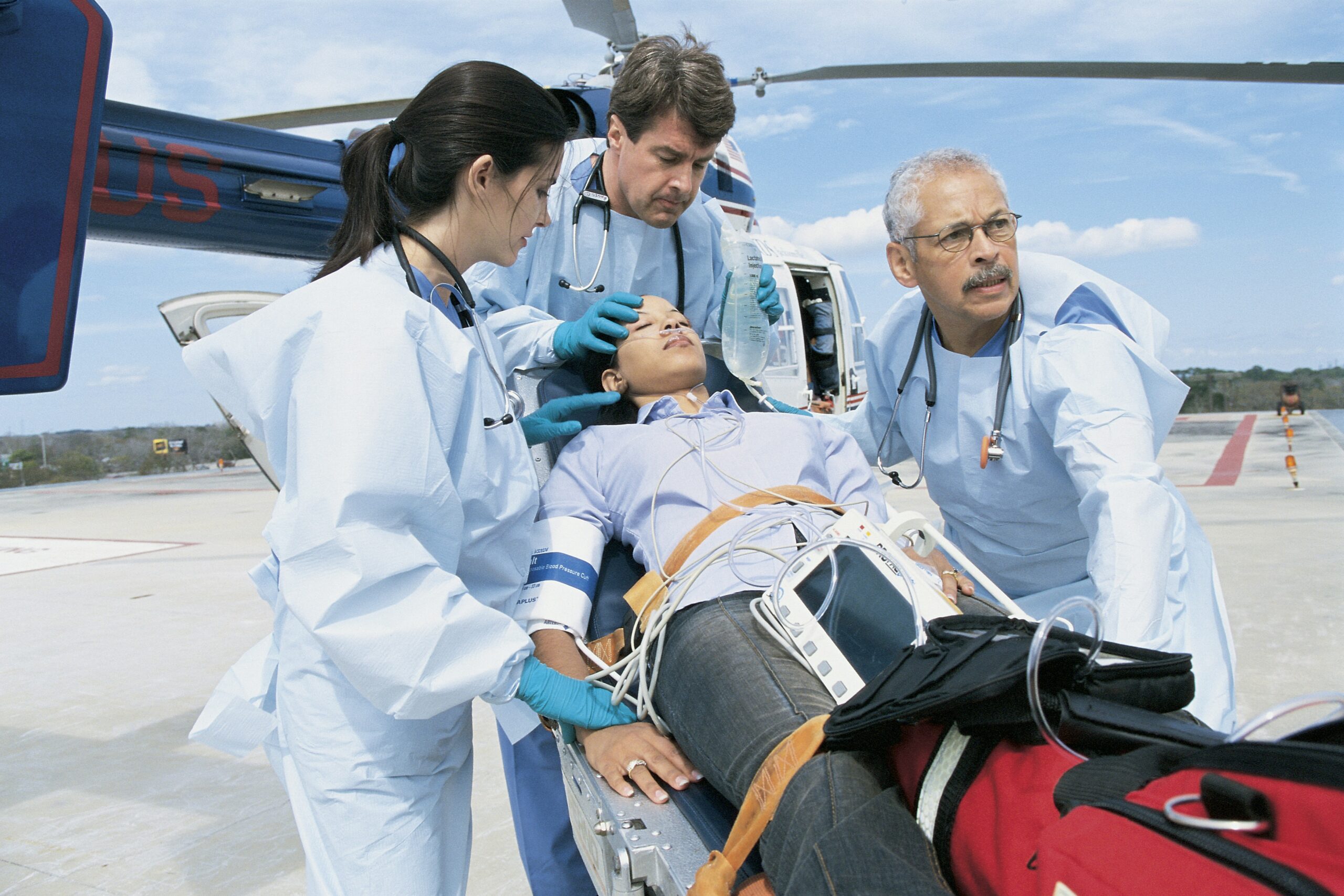
Crisis preparedness in health systems shapes how well organizations respond to intense, unpredictable emergencies. Health systems face many challenges during crises, and leaders must respond quickly to protect patients and support staff. When teams understand what to do and feel confident in their training, they move with purpose and keep operations steady. Crisis preparedness in health systems builds this confidence and creates strong foundations for safe and effective emergency response. Every part of a healthcare system benefits from preparation, since clear plans and trained teams reduce fear and improve outcomes.
Emergencies create pressure that can overwhelm unprepared teams. However, when leaders invest in readiness, they strengthen the entire system. Preparedness encourages collaboration across departments, improves communication, and boosts problem-solving. It also helps teams stay calm and focused during stressful moments. Crisis preparedness in health systems supports both patients and providers by creating an environment where everyone knows their role. Because emergencies can change fast, health systems benefit from strategies that remain flexible and easy to follow. These strategies help teams adapt while staying organized and stable.
Creating a Culture of Readiness
A strong culture of readiness begins with leaders who guide their teams with clarity and confidence. Leaders encourage teams to practice, learn, and stay aware of potential emergencies. They talk openly about risks and help teams understand the types of crises they may face. This awareness keeps teams alert and ready to act when conditions shift. As readiness grows, staff begin to trust their skills and trust one another. This trust strengthens the entire response.
Teams also develop discipline as part of this culture. They follow established practices and learn how to respond quickly without confusion. Leaders remind teams that preparation protects everyone. They reinforce this message during training and daily conversations. As readiness becomes part of everyday work, staff grow more comfortable with emergency procedures. This comfort helps them work with confidence during real crises and encourages them to support each other.
Developing Clear Emergency Response Plans
Emergency response plans form the backbone of crisis preparedness in health systems. These plans outline the steps teams must follow in the event of an emergency. Leaders create plans that match the organization’s size, location, and patient needs. Plans usually include procedures for communication, staffing, supply management, and patient flow. When plans remain simple and easy to understand, teams follow them smoothly during stressful moments.
Although plans provide structure, leaders also encourage flexibility. Emergencies shift quickly, so teams must adjust as new information appears. Leaders teach teams how to update their actions while still following the plan. They also explain why changes matter, which helps everyone stay aligned. Firm plans allow teams to respond fast without losing control. As teams practice these plans, they build confidence that carries into real crises.
Strengthening Communication Skills and Systems
Crisis preparedness in health systems depends on clear, steady communication at all times. Leaders share updates that guide teams through each stage of the emergency. They use simple language and avoid confusing terms. This helps everyone stay focused even when pressure rises. Staff members rely on these updates to understand how the crisis is changing and what actions they must take next.
Communication also requires listening. Leaders hear staff feedback and use it to improve their responses. They encourage questions and check in often to see if anyone needs help. This type of communication builds trust and creates stronger teamwork. When teams speak openly with one another, they solve problems faster. Smooth communication helps the system stay stable and prepared for new challenges.
Training Teams Through Realistic Drills
Training strengthens crisis preparedness in health systems by giving staff chances to practice real-world scenarios. Drills help teams experience what an emergency might feel like. During these sessions, staff practice moving patients, securing areas, and communicating with one another. Leaders guide these drills and offer helpful advice so teams understand how to improve. Training also teaches staff to stay calm and think clearly.
Teams become more comfortable with procedures through repeated practice. They begin to trust their abilities and rely on their teammates. This confidence creates smoother emergency responses. Leaders also use training sessions to test the organization’s emergency plans. If a gap appears, leaders improve the plan and strengthen the system. Preparedness grows when training becomes a regular part of work life, and teams benefit from constant learning.
Managing Resources for Steady Operations
Crises often place heavy strain on supplies, equipment, and staffing. Crisis preparedness in health systems includes innovative resource management. Leaders monitor supplies such as protective gear, medications, and equipment so nothing runs out when a crisis begins. They prepare backup plans for shortages and secure extra support when needed. These actions keep patient care steady even when demand rises.
Staffing also becomes a significant focus during emergencies. Leaders adjust schedules, shift responsibilities, and support staff who face emotional strain. They check in often, so teams do not feel overwhelmed. A well-prepared system protects both staff and patients, since steady operations reduce mistakes and fear. Resource management supports strong response and recovery, helping health systems perform well even under pressure.
Building Team Resilience Through Support
Resilience plays a significant role in crisis preparedness. Health systems become stronger when staff feel supported and valued. Leaders help teams manage stress by offering emotional support, guidance, and understanding. They encourage open conversations and remind staff that they can ask for help. These actions reduce burnout and help teams stay focused during emergencies.
Resilient teams also work better together. When staff feel safe, they communicate more openly and solve problems with confidence. Leaders praise teamwork and highlight strengths after every challenging moment. This positive environment helps teams recover faster after crises and prepares them for future challenges. Resilience grows when leaders show care, and that strength spreads across the entire system.
Additional Information
- Blog
- Health systems, positive environment, stronger teamwork
- Craig Kent